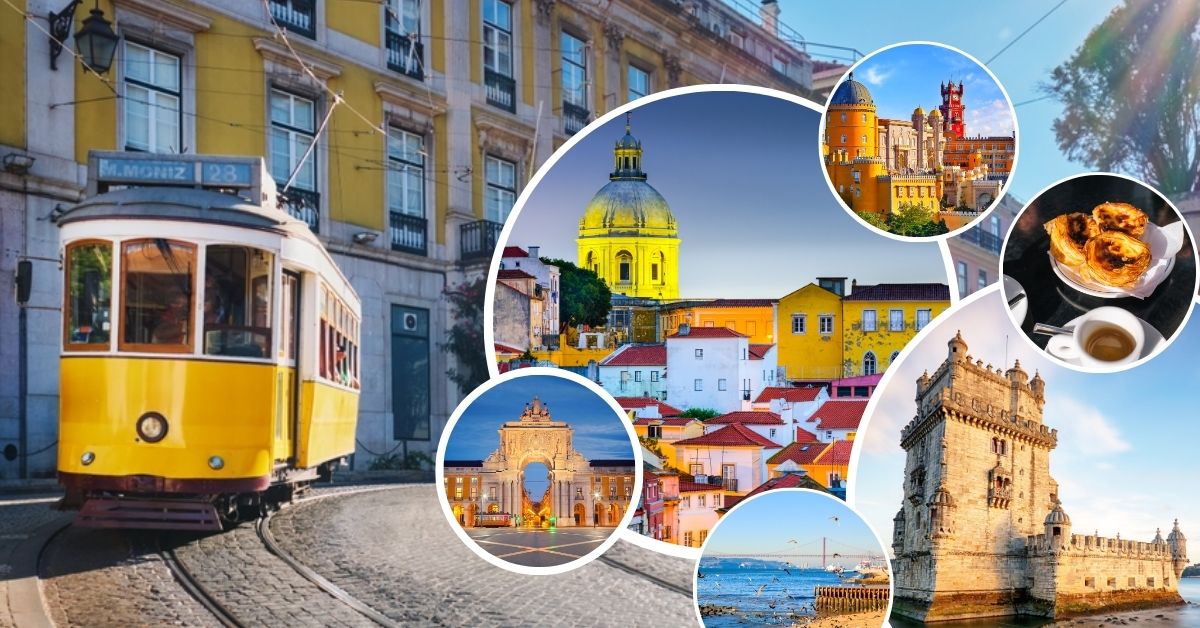
If Lisbon were a poem, its verses would be written in sunlit hills, pastel-tiled rooftops, and the haunting notes of fado drifting through evening alleys. Towering over the Tagus River, Portugal’s capital is a city of dramatic contrasts — historic castles and modern waterfronts, bustling trams and serene miradouros (viewpoints), ancient Carmo ruins and futuristic districts. With a population of around 550,000 in the city proper and more than 2.8 million in the metro area, Lisbon is large enough to surprise you, yet it retains an intimate, walkable charm.
In 2026, Lisbon continues to grow in popularity, but beyond the tourist hotspots are hidden corners that invite slower exploration and deeper connections. Long known for its maritime legacy, pastel de nata (custard tarts), and cozy neighborhoods, Lisbon now balances its historic character with responsible tourism and innovation. Whether you’re here for art, cuisine, day-trips, or just to savor life in a sun-drenched café, Lisbon feels familiar — yet every visit offers something new.
[wp_GAM_ADS_InPost1_shortcode]
When to Go: Best Time to Visit & Trends
Lisbon enjoys a mild, sunny climate year-round, making it one of Europe’s most reliable destinations for comfortable travel. Visitor patterns follow familiar rhythms, but with a stronger emphasis on shoulder-season travel, as more travelers seek fewer crowds and better value.
Spring (March–May) is one of the best times to explore Lisbon. Days are warm but not hot, outdoor cafés come alive, and jacaranda trees begin to bloom in late May, giving the city a purple-tinted glow. Temperatures usually sit between 15–22°C, and popular sights like Belém and Alfama feel pleasantly lively rather than packed.
Autumn (September–November) offers similar advantages. The sea is still warm from summer, sunsets over the Tagus are spectacular, and daytime temperatures hover around 18–26°C in early autumn before cooling down. It’s the perfect season for scenic viewpoints, food markets, and long riverside walks.
Summer (June–August) brings long, bright days and a festival atmosphere, but it’s also the busiest period. Expect hotter weather — often 28–33°C — and higher accommodation prices. If you travel in summer, early mornings are ideal for avoiding crowds at major attractions like Jerónimos Monastery and São Jorge Castle.
Winter (December–February) is mild compared to most of Europe, with temperatures around 10–15°C and fewer tourists. It’s a cozy season for museums, fado evenings, and café-hopping, though occasional rain showers are common.
Travel Trends to Know
Tourism continues to rise steadily, but Lisbon has introduced more sustainability-focused measures to help balance visitor numbers. These include improved monitoring of crowd levels, better distribution of visitors across neighborhoods, and ongoing investment in public transport. You’ll notice more digital tools for planning, real-time transport info, and a growing push toward supporting local businesses — all part of Portugal’s effort to create a more responsible travel experience in 2026.
[affiliate_banner p=”holidu_uk” t=”leaderboard”]
Getting Around Lisbon: Transport Made Simple
-
Public Transport: Pick up a Navegante card (rechargeable) to ride metro, buses, trams, and funiculars affordably.
-
Ticket Prices (2025): A single journey costs about €1.66 (if you use “zapping” credit), while full fare is around €1.85.
-
Trams: Iconic yellow Tram 28 winds through Alfama, Graça, Estrela, and Baixa — but it fills up quickly. Try taking Tram 12E or 15E instead if you want similar views but fewer crowds.
-
Funiculars & Elevators: The Santa Justa Lift (Elevador de Santa Justa) offers a majestic ride between Baixa and Carmo Square.
-
Ferries: Cross the Tagus River cheaply (ferries typically cost between €1.25–€3.15), especially scenic for getting to Cacilhas.
Must-See Neighborhoods & Attractions
Key Districts to Explore
Lisbon is a city of distinct neighborhoods, each with its own rhythm, personality, and postcard-perfect appeal. Exploring them is half the joy of discovering the Portuguese capital, and many have been revitalized with new cafés, cultural spaces, and improved walkability.
Baixa & Chiado
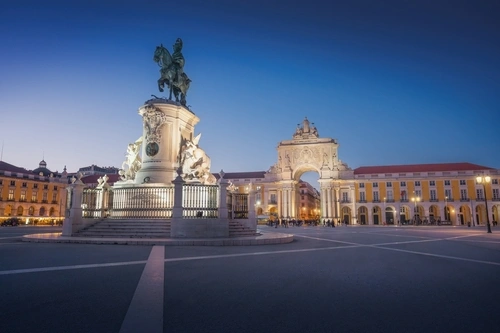
Baixa is Lisbon’s elegant downtown grid, rebuilt after the 1755 earthquake. Its grand avenues, black-and-white mosaic pavements, and neoclassical buildings lead you toward the waterfront Praça do Comércio, one of Europe’s most striking squares. Just uphill, Chiado blends bookshops, theatres, and stylish boutiques. Don’t miss the Santa Justa Lift, which offers stunning views toward the castle.
Alfama
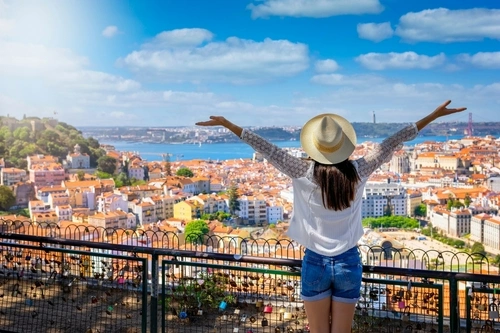
Lisbon’s oldest district is a maze of steep lanes, tiled houses, and tiny taverns spilling with the sound of live fado. Highlights include São Jorge Castle, the Sé Cathedral, and the iconic Tram 28 route. Even if you get lost — and you will — that’s part of Alfama’s charm.
Belém
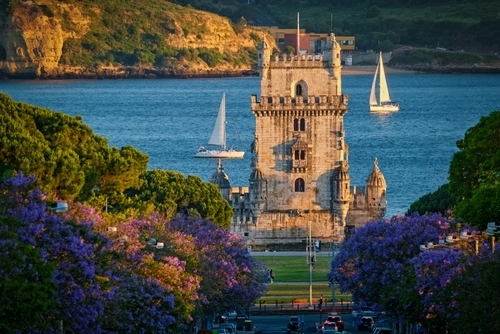
This riverside district is all about history and pastries. Visit the monumental Jerónimos Monastery, the Belém Tower, and the Monument to the Discoveries. Then reward yourself with a warm, cinnamon-dusted pastel de nata from the famed Pastéis de Belém bakery — a must on every Lisbon itinerary.
Bairro Alto
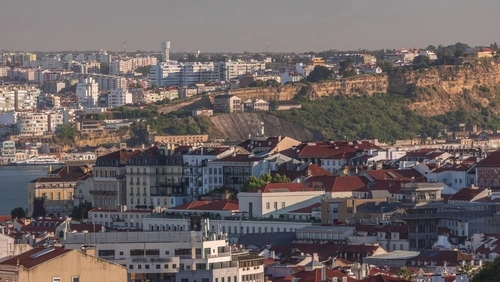
By day, Bairro Alto feels relaxed and residential, with quirky boutiques and small cafés. By night, its cobbled streets turn into one of Lisbon’s liveliest nightlife hubs, filled with rooftop bars, music venues, and late-night food stops. It’s the best spot for a fun evening out with friends.
Parque das Nações
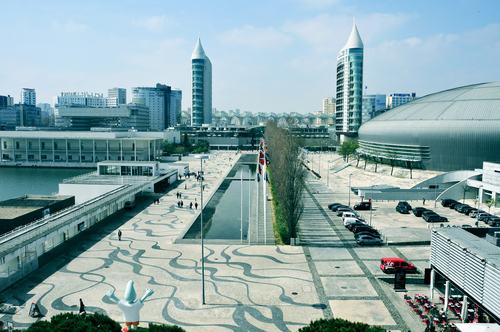
A modern contrast to old Lisbon, this waterfront district was transformed for Expo ’98 and is now a clean, contemporary area perfect for families and relaxed exploration. Stroll along the river, visit the impressive Oceanário de Lisboa (one of Europe’s largest aquariums), or take a cable car ride for panoramic views.
LX Factory
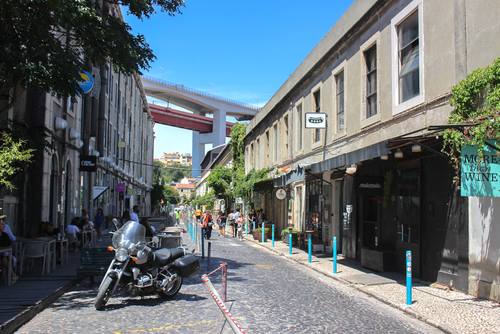
Housed in a former industrial complex under the 25 de Abril Bridge, LX Factory is Lisbon’s creative playground — full of street art, designer shops, concept cafés, and weekend markets. It’s a favorite among photographers, remote workers, and anyone who loves unique, artsy spaces.
[wp_GAM_ADS_InPost2_shortcode]
Highlights & Experiences: What to Do in Lisbon
Historic & Scenic Attractions
-
São Jorge Castle: This hilltop fortress offers panoramic views, gardens, and peacocks roaming the grounds.
-
Jerónimos Monastery: A masterpiece of Manueline architecture and the resting place of the explorer Vasco da Gama.
-
Belém Tower & Monument to the Discoveries: Walk along the Tagus to these iconic monuments celebrating Portugal’s Age of Discoveries.
-
Miradouros: Don’t miss viewpoints like Miradouro da Senhora do Monte, Santa Catarina, and São Pedro de Alcântara — perfect for golden-hour photos.
-
Santa Justa Lift: Ride this Neo-Gothic elevator for a scenic lift across districts and a great view over Carmo Square.
Culture & Museums
-
Carris Museum: Housed in a former tram depot, this museum showcases Lisbon’s public transport history, old trams, and vintage memorabilia.
-
National Coach Museum: Located in Belém, this museum displays historic royal carriages and ceremonial coaches spanning centuries.
-
Teatro Tivoli: A beautiful historic theater on Avenida da Liberdade, ideal for catching a show or appreciating its century-old architecture.
Food & Flavors
-
Pastéis de Nata: Try the legendary custard tarts at Pastéis de Belém or bakeries like Manteigaria in Chiado.
-
Time Out Market: A vibrant food hall with local chefs, Portuguese classics, seafood, wine, and dessert — perfect for lunch or dinner.
-
Traditional Portuguese Cuisine: Sample bacalhau (cod), grilled sardines, and bifanas (pork sandwiches) in local tascas.
Local Flavor & Nightlife
-
Fado Music: Visit a fado house in Alfama or Bairro Alto for a deeply emotional, traditional Portuguese music performance.
-
Pink Street (Rua Nova do Carvalho): A lively nightlife spot in Cais do Sodré, known for its bright colors and bar scene.
-
Sunset Spots: For unforgettable views, head to miradouros like Senhora do Monte or São Pedro de Alcântara.
Discover Your Perfect UK Getaway with Holidu
[affiliate_banner p=”holidu_uk” t=”square”]
Looking for a getaway that feels effortless from start to finish? Holidu makes it simple to discover stunning holiday homes across the UK or anywhere in the world, whether you’re craving a quiet cottage or a coastal escape. With smart search tools and trusted reviews, you can find the perfect stay in just a few clicks. Visit holidu.co.uk today and turn your travel plans into unforgettable memories.
Itinerary Inspirations: 3 Days in Lisbon
Here’s a curated 3-day itinerary built for balance, local flavor, and iconic sights — plus a bonus fourth day with offbeat adventures.
Day 1: Historic Lisbon & Riverfront
-
Morning: Begin in Belém — visit the Jerónimos Monastery, Padrão dos Descobrimentos, and the Tower of Belém. Stop at Pastéis de Belém to sample their legendary custard tarts.
-
Midday: Ride Tram 15E (or bus) back to central Lisbon and cross over to Baixa & Chiado. Explore Praça do Comércio, Rua Augusta, and the Carmo Convent ruins.
-
Afternoon: Ride the Santa Justa Lift up to Carmo Square for great views, then wander through Chiado’s bookstores and cafés.
-
Evening: Walk to a viewpoint like São Pedro de Alcântara for sunset. Then head into Bairro Alto for dinner and possibly live fado in a small tavern.
Day 2: Alfama, Castles & Neighborhood Life
-
Morning: Explore Alfama, Lisbon’s oldest quarter. Get lost in its alleys, visit Sé de Lisboa (Lisbon Cathedral), and reach Miradouro de Santa Luzia.
-
Midday: Head to São Jorge Castle to explore its ramparts, courtyards, and gorgeous viewpoints.
-
Afternoon: Take Tram 28 through Alfama and Graça, or hop on funiculars (e.g., Glória, Bica) to see the city’s hills.
-
Evening: Return to Alfama or Bairro Alto for a fado performance — choose a small venue for a more intimate, authentic feel.
Day 3: Modern Lisbon & Creative Spaces
-
Morning: Visit LX Factory, the creative hub housed in a former industrial complex. Browse street art, bookstores, and design shops.
-
Midday: Grab lunch at Time Out Market — it’s a food heaven offering everything from Portuguese classics to global cuisine.
-
Afternoon: Head to Parque das Nações, the futuristic riverside district. Visit the Oceanário de Lisboa (Lisbon Aquarium), one of Europe’s best.
-
Evening: For a laid-back night, cross the Tagus to Cacilhas by ferry. Eat by the riverside and enjoy the Lisbon skyline across the water. Local ferry lines make this easy and scenic.
Day 4 (Bonus): Hidden Corners & Local Secrets
-
Morning: Explore the peaceful Tapada das Necessidades, a lesser-known park with secret gardens and quiet corners. > From local travellers’ tips.
-
Late Morning: Visit Palácio Fronteira (in Benfica), a 17th-century palace adorned with beautiful tiles and peaceful gardens. > Highlighted by travel-savvy locals.
-
Afternoon: Climb up to Miradouro da Penha de França, a tranquil viewpoint often overlooked by tourists. > Shared by Reddit users.
-
Late Afternoon: Take the ferry to Cacilhas again if you missed it before — walk the promenade, enjoy a riverside snack, and soak in quiet views.
-
Evening: Cap off your trip with live jazz or Fado in a small bar, or have a sunset picnic at one of Lisbon’s scenic viewpoints for a reflective, local-style farewell.
[wp_GAM_ADS_InPost3_shortcode]
Practical Travel Tips & Insider Advice
-
Get a Viva Viagem card for easy, discounted access to Lisbon’s Metro, buses, trams, and suburban trains. It works on almost all public transport and saves time at ticket machines.
-
Tram 28 is iconic but crowded — ride early in the morning or later in the evening to avoid long lines and packed cars.
-
Lisbon is very hilly, with steep streets and polished cobblestones. Wear comfortable shoes with good grip, especially when exploring Alfama and Bairro Alto.
-
Use elevators and funiculars (like the Santa Justa Lift or Ascensor da Glória) to help navigate steep climbs — they’re fun and save energy.
-
Cards are widely accepted, including contactless payments. Still, carry a small amount of cash for bakeries, small cafés, and local markets.
-
Restaurant hours are slightly later: lunch runs from about 12:30–3 p.m., and dinner usually starts around 7:30–8 p.m. Reservations are recommended for popular spots.
-
For a budget-friendly meal, look for “prato do dia” (dish of the day), offered in many local tascas and neighborhood restaurants.
-
Pickpocketing can occur in busy areas like trams, major squares, and viewpoints. Keep bags closed, phones secure, and stay alert in crowds.
-
Learn a few basic Portuguese phrases — even simple words like “obrigado/obrigada” (thank you) go a long way and are appreciated by locals.
-
Tap water is safe to drink, so bring a reusable bottle to refill throughout your day.
-
Where to Stay:
-
Alfama: For historic ambiance and charm. > Suggested by long-time travelers.
-
Baixa / Chiado: Central, elegant, and walkable. > Frequently recommended.
-
Avenida da Liberdade: Sophisticated and slightly quieter — good base for exploring. > Shared by first-time visitors.
-
Why Lisbon Captivates
Lisbon’s magic lies in its blend of time-worn beauty and quiet reinvention. It continues to enchant through pastel rooftops, hilltop castles, and the soulful cry of fado in a tucked-away tavern. But the city isn’t frozen in the past — innovation thrives in its riverside districts, creative hubs, and public-transport reforms.
Whether you’re here for the winding tram rides, the sweet warmth of a pastel de nata, or the awe of a sunset over the Tagus, Lisbon invites you to dive in slowly, savor deeply, and carry its light long after you leave. It’s a city that asks you to wander, reflect, and return — and in 2026, it’s more inviting than ever.